
In the world of high-stakes litigation, we often talk about the “chain of commerce.” It is a legal term for the path a product takes from a factory floor to your front porch. For most consumers, that chain is invisible until something breaks. But for Amber Shroyer, the chain didn’t just break; it exploded.
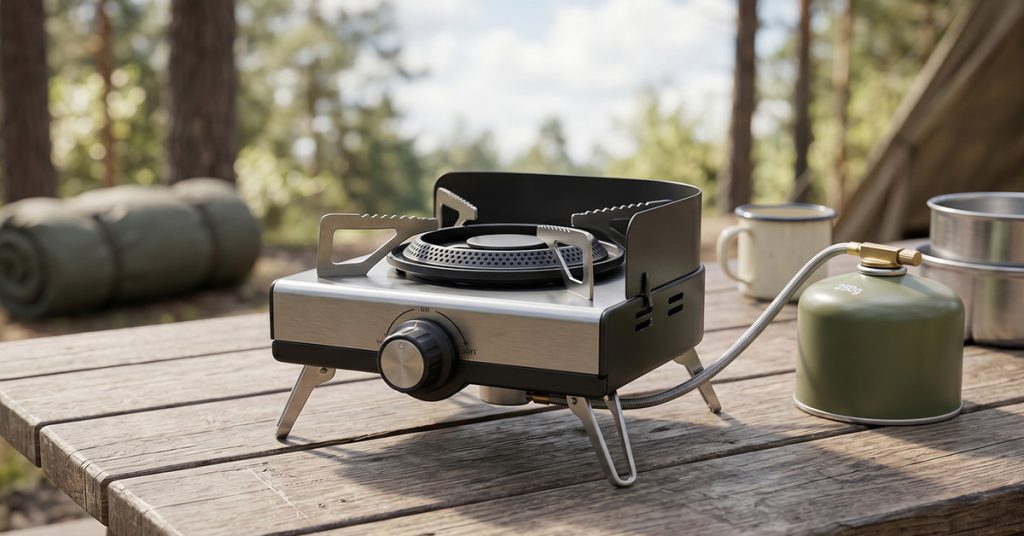
The case of Amber Shroyer v. Amazon.com is a harrowing reminder that the convenience of an online marketplace can overshadow harmful defective products. In June 2025, Ms. Shroyer purchased a Fire-Maple camp stove from Amazon, a product prominently labeled with the platform’s orange “#1 Best Seller” designation. Days later, during a practice run for a camping trip, uncontrollable flames erupted from the device. Despite her desperate attempts to smother the fire with blankets, the stove exploded, engulfing her in flames.
The injuries were nothing short of catastrophic. Ms. Shroyer suffered second- and third-degree burns over her face, torso, and limbs. These injuries were so severe that she watched her own skin wash down the drain in a frantic attempt to cool her body in the shower.
Amazon has long argued in courtrooms across the country that it is merely a “marketplace,” a digital bulletin board that connects buyers and sellers without taking responsibility for the safety of the goods exchanged.
Understanding the Liability Chain: Who is Responsible?
When a product fails, a personal injury attorney looks at distinct categories of potential defendants:
- The Manufacturer (Strict Liability) Under the Washington Product Liability Act (WPLA), the entity that designed and built the product is strictly liable for defects. In this case, however, the manufacturer (Fire-Maple) is based in the People’s Republic of China and is effectively unreachable by the Washington court system.
- The Product Seller (Negligence) This is where the case against Amazon becomes critical. A seller can be held liable if their own negligence leads to harm. The complaint alleges that Amazon didn’t just host a listing; it actively promoted the stove as a “#1 Best Seller” while its own “Review” section was filled with warnings of gas leaks, melting plastic bases, and “near-miss” explosions from other customers. When a seller has actual or constructive knowledge that a product is a ticking time bomb, they have a duty to pull the listing, not promote it.
- The “Substitute” Manufacturer One of the most powerful arguments in this litigation is the use of Washington State Legislature RCW 7.72.040(2)(a). This statute allows a seller to be held to the same standard as a manufacturer if the actual manufacturer is insolvent or not subject to service of process. Because Fire-Maple cannot be brought to court in Washington, the law essentially says to the seller: You brought this into our state, you profited from it, and you controlled the transaction. Now, you stand in the manufacturer’s shoes.
What really happened to Amber Shroyer was a breakdown in corporate accountability. Amazon controls the product descriptions, the search rankings, and the “Best Seller” designations that consumers rely on to judge safety.
As this legal battle unfolds, it will be interesting to monitor this case and see how it moves forward, as the outcome could fundamentally shift the way we hold online giants accountable for the products they put in our homes.


