In the high-stakes world of elite track and field, “innovation” is sometimes just another word for risk. For a trial lawyer, innovation becomes a liability the moment a product’s design prioritizes a marketing metric over the health and safety of the person using it.
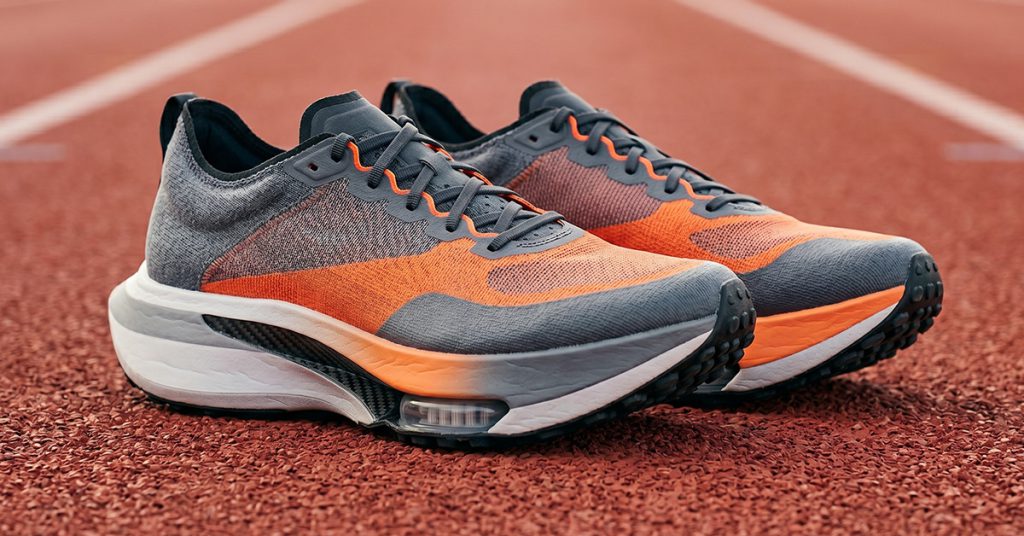
The complaint filed by Abby Steiner—a world champion and NCAA record holder—against Puma and Mercedes-Benz Grand Prix Ltd. provides a window into this tension. Steiner alleges that her professional career was ended by the very technology promised to propel her forward: the Carbon Fiber Plate (CFP) and Nitrofoam (NF) utilized in models like the Deviate Nitro Elite and evoSpeed Tokyo Nitro.
To support a defective product claim of this magnitude, the legal burden moves past the fact of the injury and into the mechanics of the design itself. Success in court generally requires proving three things:
First, a plaintiff must show a design defect. The plaintiff must demonstrate that the product was inherently dangerous as conceived. Steiner’s complaint identifies a specific failure: the shoes allegedly altered the biomechanics of her run, creating “extreme, abnormal and irregular strain” on her feet. In a courtroom, this means proving the shoe didn’t just fail; it functioned exactly as designed, but that design was incompatible with human bone structures.
Second, the claim relies on a failure to warn. It is one thing for a product to carry risk; it is another to conceal it. The document alleges that the defendants marketed these shoes as “safe and extensively tested” while withholding known data regarding the biomechanical risks of F1-inspired “explosive propulsion”. Juries tend to be skeptical of companies that use elite athletes as test subjects without disclosing the potential for injuries.
Finally, there is the matter of proximate cause. It isn’t enough to show the shoe is dangerous; the lawyer must prove that the shoe, and not the grueling nature of professional sports, is what caused the “severe and permanent injuries” requiring multiple surgeries. When an Olympic-level athlete is suddenly unable to compete, the timing and nature of the failure are taken under review as evidence.
The quiet truth of product liability is that a shoe that breaks a record is only a success if it doesn’t also break the runner. If a design requires a human body to absorb forces it wasn’t built to handle, that isn’t engineering; it’s a gamble.
Understanding the divide between a sports injury and a corporate failure can be difficult to discern. An experienced personal injury attorney can help investigate whether a product was innovative or simply unsafe.