The most dangerous part of a modern car ride might not be the highway; it can be the “Click to Agree” button on a smartphone screen.
In the case of Justine Bien Aime v. Francis Gilles, et al., we see the latest attempt by corporate defendants to use the fine print of a digital contract to bypass a public courtroom. This wasn’t a inconsequential dispute over a refund or a service fee. It was a wrongful death action following the death of Nicole Jean in a catastrophic motor vehicle accident.
The legal maneuver was familiar: the defendants moved to dismiss the lawsuit and force the case into private arbitration. They argued that by signing an electronic arbitration acknowledgement the decedent had signed away her right, and her estate’s right, to hold them accountable before a jury of her peers.
The trial court initially agreed and dismissed the case. But in April 2026, the New Jersey Appellate Division reversed that decision.
The court’s opinion clarifies a fundamental point: you cannot force someone into arbitration based on a record that is “barren” of evidence. The defendants couldn’t prove that Nicole Jean had seen the terms or knowledgably entered into a binding agreement that covered the specific entities involved in the crash. Furthermore, the court noted that several of the defendants, including New Jersey Transit, weren’t even parties to whatever agreement might have existed.
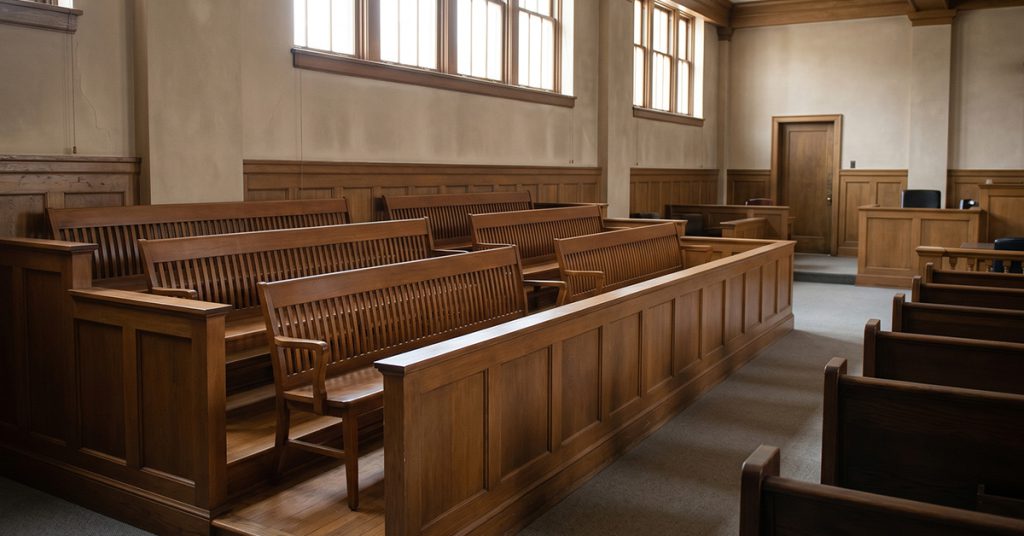
Companies sing the praises of arbitration as “efficient” and “streamlined.” A trial lawyer sees it differently. Arbitration is a private system that often favors the entity that writes the contract. In a courtroom, a jury of citizens decides what is fair. In arbitration, a paid professional, often a retired judge or a lawyer, decides the outcome behind closed doors.
There are three reasons a litigator will tell you to never sign an arbitration agreement if you can avoid it.
First, there is no transparency. In a public trial, the evidence of negligence is a matter of public record. In arbitration, the details of a company’s failures are often buried. This protects the company’s reputation, but it does nothing to protect the public from the next accident.
Second, the “repeat player” bias is real. A corporation might go to arbitration a hundred times a year. An individual plaintiff likely goes once in a lifetime. If you are an arbitrator, you know where your future business comes from. It isn’t from the grieving family; it’s from the company that keeps coming back.
Third, there is virtually no right to appeal. If a jury makes a legal error, a higher court can fix it. If an arbitrator makes a mistake, you are almost always stuck with it.
A “Terms of Use” screen shouldn’t replace the Seventh Amendment.
What really happened in this New Jersey case was an attempt to turn a tragic loss of life into a private contract dispute. The Appellate Division’s ruling is a reminder that the right to a jury trial is not something that can be whisked away by implication or incomplete records.
Liability should be decided in the light of a public courtroom. It does not belong in a conference room where the rules are written by the people being sued. If you’re trying to understand why a company is so eager to keep you out of court, that is a question worth reflecting on.