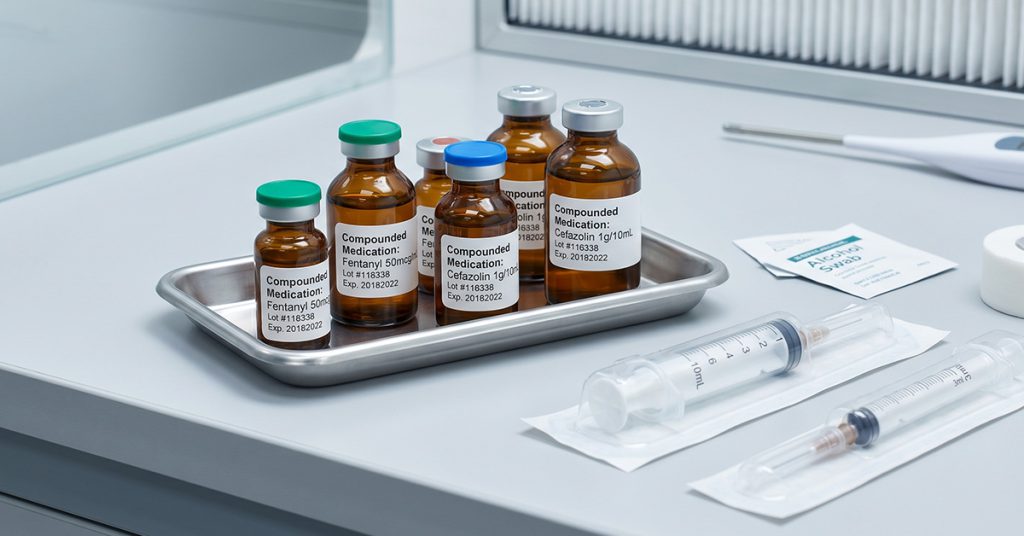
Every innovation has a moment where the speed of expansion outpaces the safety of the infrastructure. In the world of weight-loss medications, we are living in that moment right now. For the last decade, compounding pharmacies have moved from the periphery of medicine to the center of a billion-dollar industry. They filled a gap in the market, but as a recent class-action complaint against Empower Pharmacy suggests, the gaps were never meant to be filled with unsafe substitutions and costly shortcuts.
The case against Empower Pharmacy isn’t about a single mistake or an isolated batch of medication. It describes a systematic business model that prioritized volume over the very standards it claimed to uphold. Empower marketed itself as a “state-of-the-art” facility, using images of staff in medical attire and promising “pharmaceutical-grade quality” to millions of patients. But according to the complaint, the reality inside the facility was a stark contrast to the marketing on the website.
The quiet truth is that pictures of clean, medical facilities do not make a medical facility sterile. Standards do. The FDA has a ten-year paper trail documenting serious deficiencies at Empower, including failures to maintain sterile conditions and the use of ingredients that were never intended for human consumption. Juries are often asked to believe that regulatory violations are merely “technicalities,” but when you are dealing with injectable drugs like Semaglutide, technicalities are what keep patients alive.
The complaint alleges that Empower used ingredients labeled “Not for Drug Use” and substituted pharmaceutical-grade components with food or cosmetic-grade alternatives to increase profit margins. For most of us, those corner-cutting substitutions stop making sense the moment a patient is harmed. For Shawna Stash, the risks described in these FDA reports allegedly culminated in a wrongful death.
Responsibility sits with the entity that makes the promise. If a company promotes that their products are safe and sterile, they are expected to invest in the processes that uphold those worlds. Good marketing can boost company profits but using actual pharmaceutical-grade ingredients while maintaining a sterile environment necessary for safe products is a constant, costly commitment. When a pharmacy skips the latter while doubling down on the former, they aren’t just compounding medicine, they are compounding risk.
If you are trying to understand whether your injuries or illness from a GLP-1 medication was preventable, those are questions complex and important. Juries usually find that when a company has ten years of warnings to fix a problem, the outcome is no longer an accident. It is a choice.